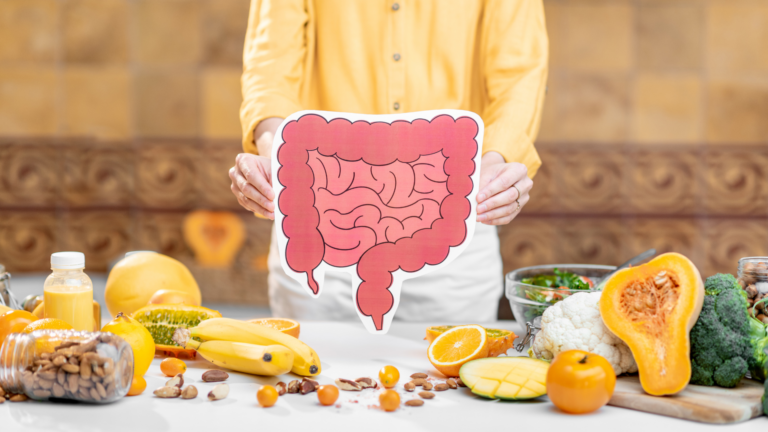
As a gut health dietitian, I know that what you add to your diet matters far more than what you remove.
So this Gut Health Month, we’re doing things differently. No cutting. No eliminating. No starting over. – Just adding.
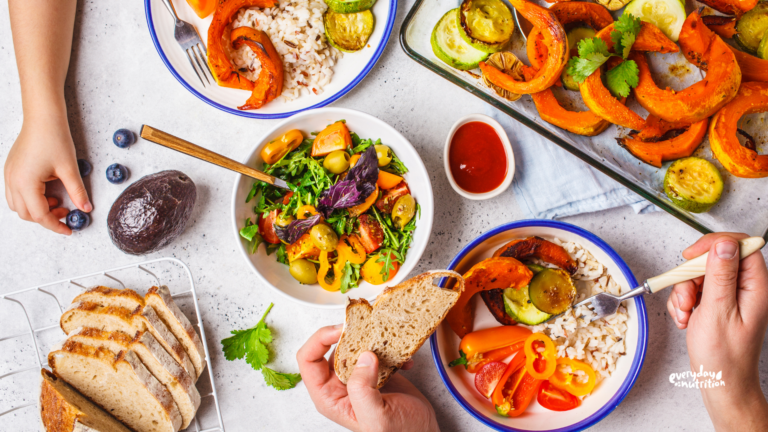
This is a gentle, evidence-based approach to digestive health that focuses on building your plate, not shrinking it.
When it comes to your gut microbiome, diversity and abundance of bacteria are key. More variety means a stronger gut lining, better digestion, less inflammation, and lower risk of harmful bacteria taking over. Restrictive eating does the opposite, it starves your gut bugs and undermines gut health.
Flipping the script and focusing on what you can add supports both a healthier gut and a healthier relationship with food.
So instead of asking, “What do I need to avoid?”
We ask, “What can I add to support my gut today?”
Each week during Gut Health Month, we’ll focus on one food group with simple ideas and recipes you can easily layer into the meals you already enjoy.
Week 1: Add Healthy Fats
Healthy fats support the gut lining, help reduce inflammation, and improve the absorption of fat-soluble vitamins. They also help meals feel more satisfying and nourishing.
This week focuses on adding sources of healthy fats such as olive oil, avocado and oily fish in simple, everyday ways, with the goal of gentle, consistent inclusion rather than perfection.
Miso Glazed Salmon
- 2 x 125g salmon fillet
- salt and pepper to taste
- 1.5 tbsp miso paste
- 2 tsp mirin
- ½ tsp golden syrup
- 2 tsp sesame oil
- A pinch of sesame seeds, for garnish
- Soba noodles & stir fry veggies to serve.
- Preheat oven to 220°C and line an oven tray with baking paper.
- In a small bowl, whisk together the miso paste, mirin, golden syrup and sesame oil.
- Brush the miso glaze all over the top and sides of both fillets. (Allow to stand for 15-30 minutes for more flavour).
- Place the two salmon fillets on the lined sheet, skin-side down & bake for 8-10 minutes, or until the salmon is cooked to your liking
Smashed Avo & Edamame Toast
- 2 Slices sourdough, toasted
- ½ avocado
- ¼ cup canned edamame
- 1 tsp lemon or lime juice
- Salt & pepper, to taste
- Optional: chilli flakes, olive oil drizzle, feta, coriander or sesame seeds
- In a small bowl, mash the avocado with lemon juice, salt, and pepper.
- Stir through the edamame, gently crushing a few for texture.
- Spread generously over toast.
- Finish with your favourite toppings e.g. chilli flakes and a drizzle of olive oil
Week 2: Add Nuts and Seeds
Welcome to Week 2! This week we are adding Nuts & seeds. Nuts and seeds provide fibre, healthy fats, and plant compounds that nourish beneficial gut bacteria and support digestive regularity.
This week is about finding easy, low-effort ways to include them by sprinkling, spreading, or pairing them with foods you already enjoy.
Seedy Toast with PB, Berries & Banana
- 2 slices sourdough
- 2 Tbsp peanut butter
- ½ firm banana, sliced
- ¼ cup fresh blueberries
- Drizzle of maple syrup
Toast the bread until golden. Spread peanut butter evenly over both slices and top with banana slices and blueberries. Finish with a light drizzle of maple syrup.
Kiwifruit Chia Pudding
Serves 2
- ¼ cup chia seeds
- 1 cup milk (dairy or calcium-fortified soy milk works well)
- ½ tsp vanilla extract
- 1 tsp maple syrup (optional)
- ½ cup lactose free yoghurt
- 2 kiwifruit, peeled and sliced
- Whisk chia seeds, milk, vanilla and maple syrup in a bowl or jar. Let sit 5 minutes, whisk again to prevent clumping. Refrigerate for at least 2 hours (or overnight) until thickened.
- Spoon chia pudding into two glasses or jars. Add a generous layer of yoghurt. Top with sliced kiwifruit. Repeat layers if you like a parfait style.
Week 3: Add Whole Grains
Whole grains are a cornerstone of gut health, providing fibre, resistant starch, and fuel for your microbiome — the community of bacteria that supports digestion, immunity, and overall health.
Rather than overhauling your entire diet, this week focuses on simple swaps and additions that feel sustainable and supportive.
Quinoa Lunch Bowl
- ½ cup cooked quinoa
- 100g Roast Chicken
- 1 cup leafy greens of your choice (lettuce, cabbage etc)
- ½ cup chopped vegetables (tomato, cucumber, radish)
- ¼ Avocado, mashed
- Drizzle or olive oil and squeeze of lemon
Overnight Oats
- ½ cup rolled oats
- ½ cup milk
- 2 tsp chia seeds
- ¼ cup Greek yoghurt
- 1 Tbsp peanut butter
- ¼ cup fresh berries
- 1–2 tsp maple syrup
- Mix oats, milk and chia seeds in a jar. Stir well. Cover and refrigerate overnight
- Layer with yoghurt, peanut butter and fresh berries. Finish with a drizzle of maple syrup.
Delicious Toppings for Whole Grain Toast
Week 4: Add Legumes
Legumes offer fibre, plant protein and prebiotic compounds that feed beneficial gut bacteria.
This week focuses on introducing legumes gently and flexibly, using preparation methods and portion sizes that support digestive comfort and build confidence.
Beetroot Hummus
- 250g canned beetroot, drained
- 1 x 400g can chickpeas, drained
- 2 garlic cloves (or 1 tsp garlic infused olive oil
- 2 tsp EVOO
- Juice of 1 lemon
- 1 tsp ground cumin
- 1 tsp salt
Place all ingredients in a food processor and whizz until smooth
Roast Pumpkin & Lentils
- ¼ pumpkin, sliced
- ½ cup canned brown lentils
- 2 cups rocket
- ¼ cup feta, crumbled
- 2 Tbsp sunflower seeds
Dressing
- 1½ Tbsp olive oil
- Juice of ½ lemon
- ½ tsp Dijon mustard
- Salt pepper
- Preheat oven to 180°C.
- Toss pumpkin with a little olive oil and roast for 25–30 minutes until golden and tender. Allow to cool slightly.
- Rinse lentils thoroughly under running water and drain well.
- Whisk dressing ingredients to combine in a large bowl. Add rocket, lentils, feta and sunflower seeds to the bowl and toss to combine.
- Arrange salad on a plate and top with roast pumpkin
- Use tofu in a stir fry
- Add canned lentils to your bolognese
- Add beans to soup
- Snack on edamame
- Make a dip
- In a salad
Final thoughts
This month, instead of cutting foods out, we focused on building your plate back up. Because the truth is, your gut thrives on diversity and enjoyment, not restriction. Every time you added olive oil, sprinkled seeds, swapped in whole grains or included legumes you were supporting your gut in a meaningful and sustainable way. No resets. No starting over. Just small additions that add up.
So moving forward, keep it simple:
Instead of asking what to remove, ask what you can add.
Want more practical, gut-friendly strategies like this?
👉 Follow along on Facebook and Instagram or for a more tailored approach, book a session with me here.